Absence
Sometimes you long for someone, for something—you try to catch a glimpse—and you end up seeing what you desire.
Sometimes you are here without truly being here, and elsewhere without meaning to be.
Sometimes your mind plays the trick of absolute certainty on you. In the rhythm of a step, in the trajectory of a gesture, in a barely perceived movement, in the outline of a silhouette in the crowd, in a feature on a face, an atmosphere, a certain light—you recognize a familiar person in the face of a stranger.
Sometimes, a moment later, you apologize, overcome with emotion; you have slipped into the fissure between here and now and drifted elsewhere.
Sometimes you pause to be present, you rise from your chair to return to the room.
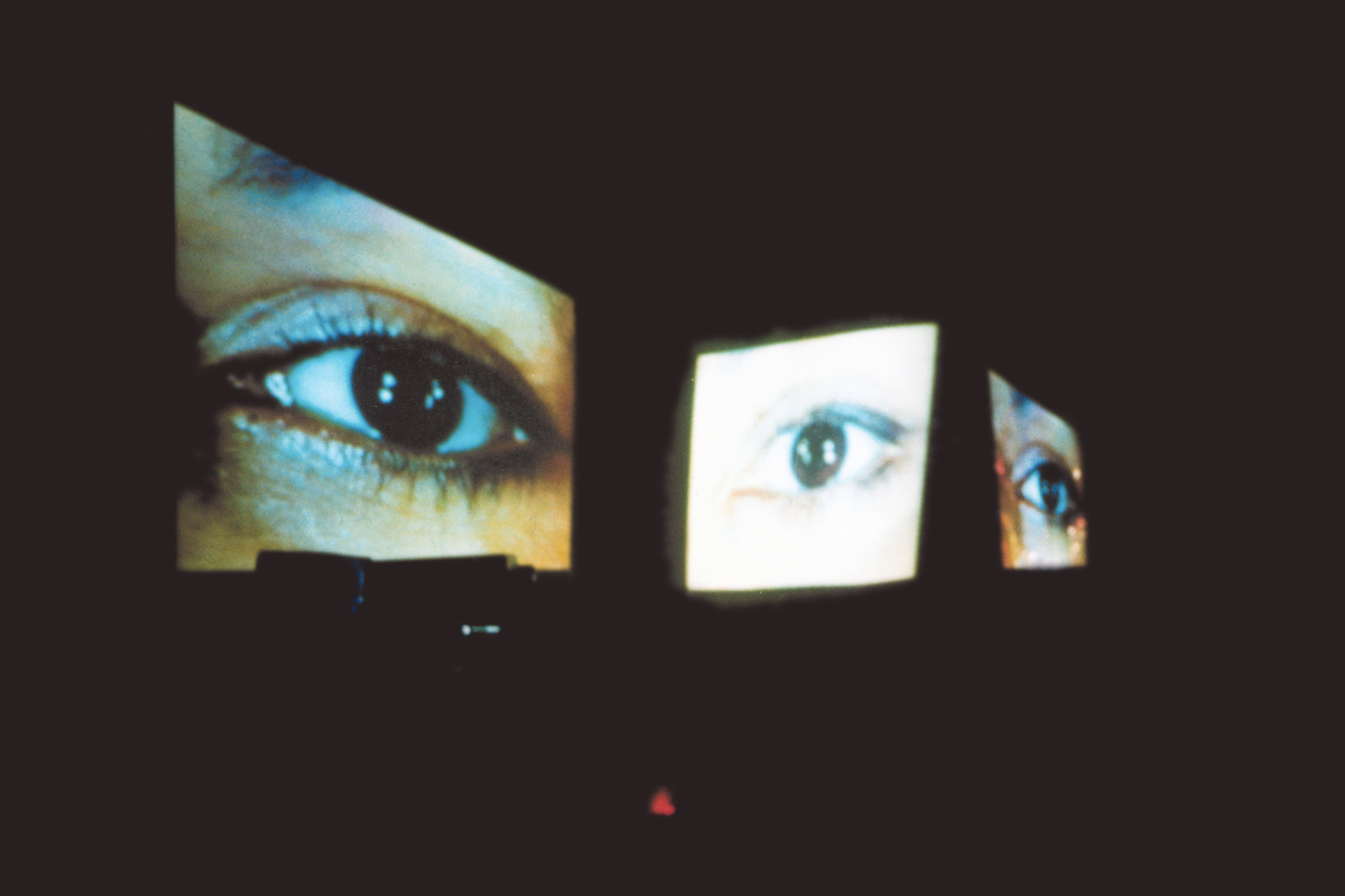
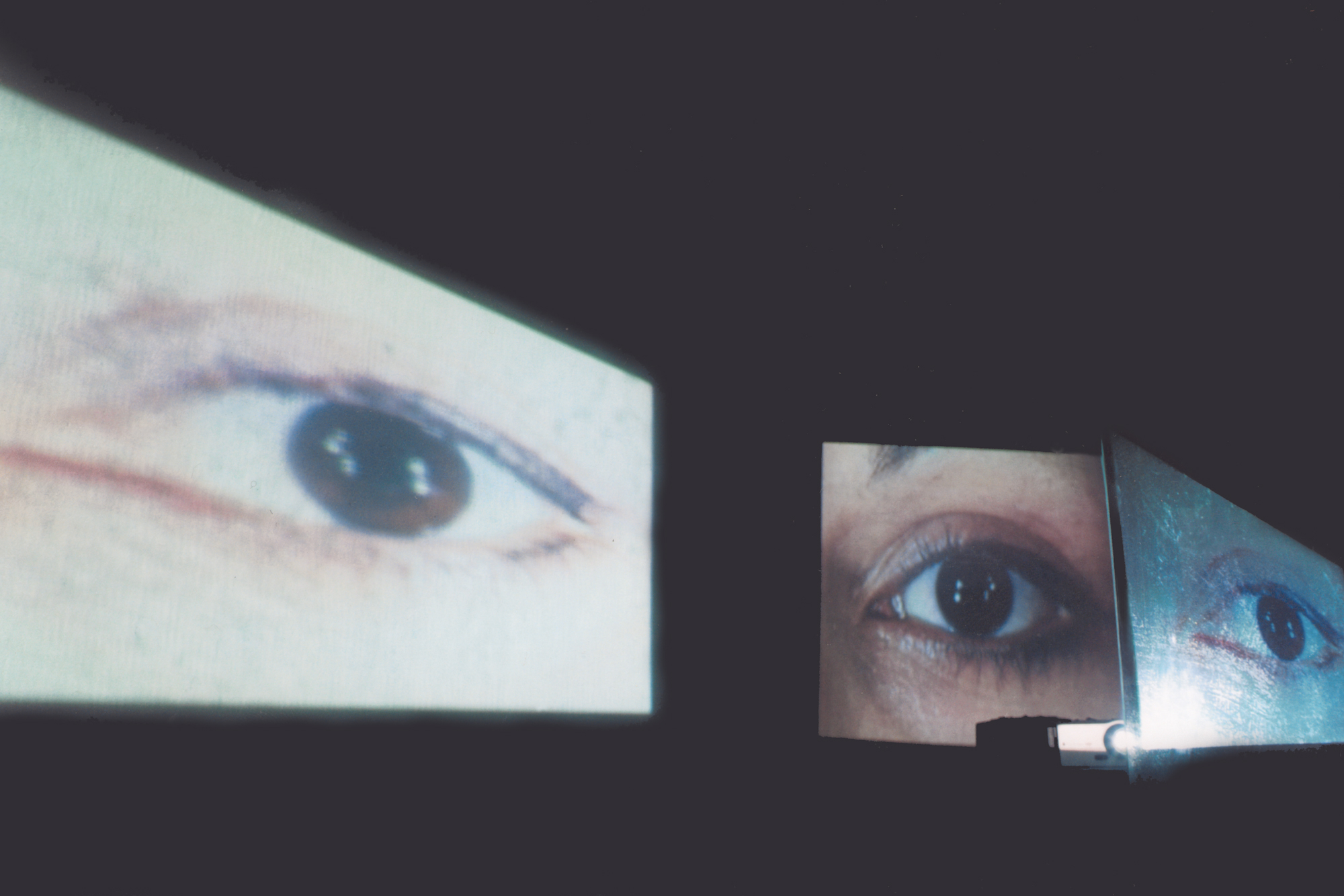
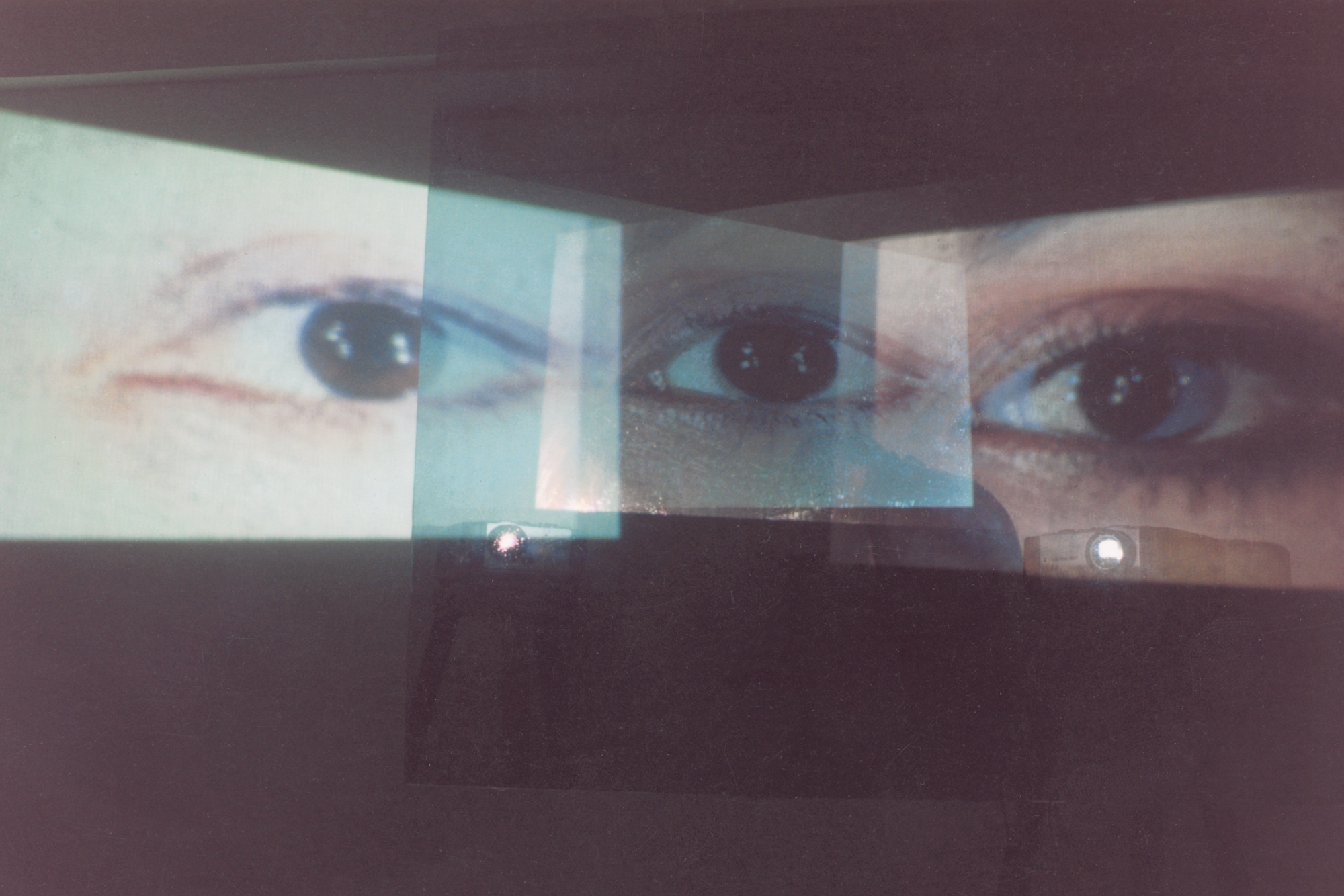
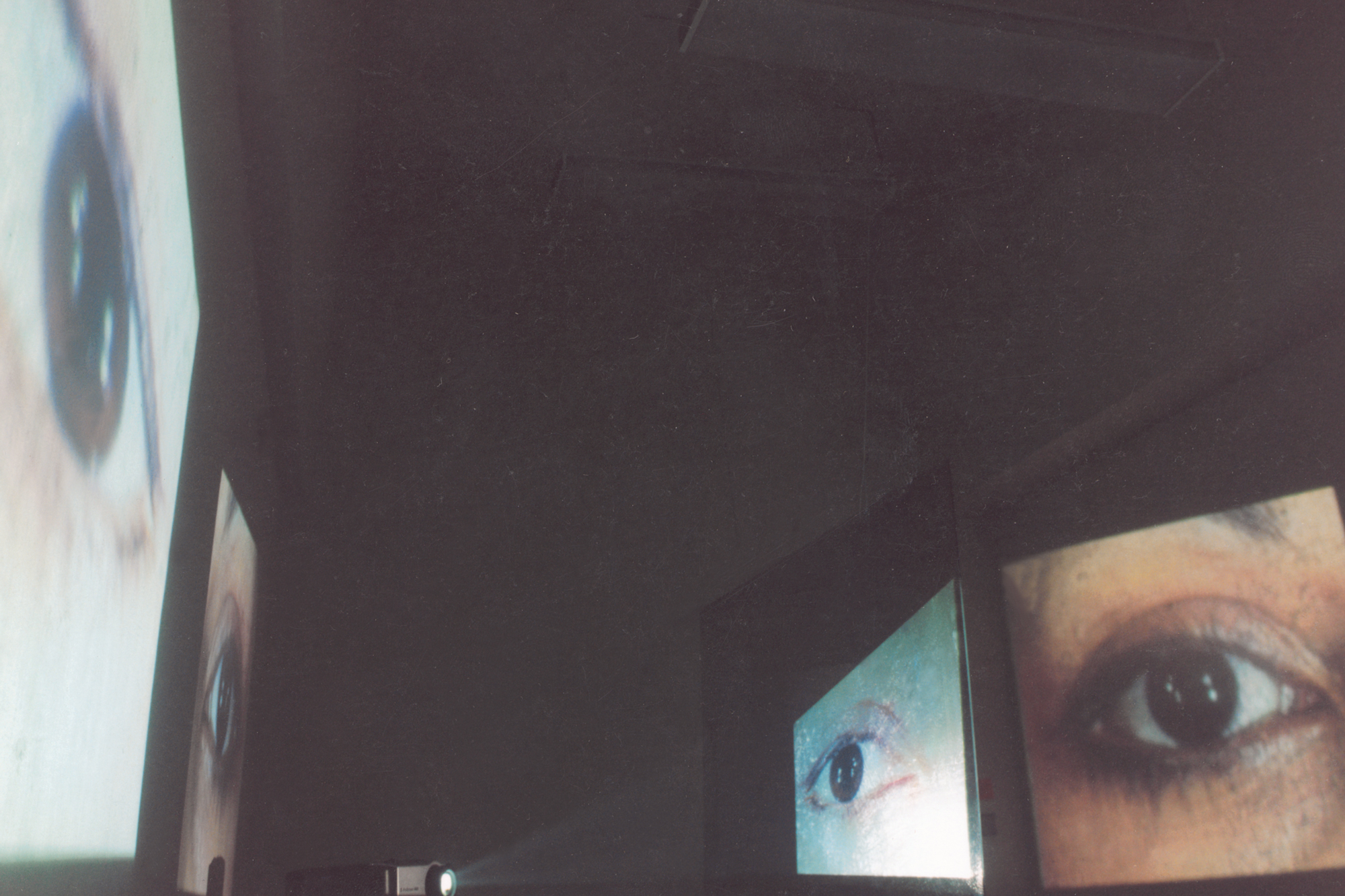
Vesna Stefanovska created the Absence cycle shortly after the fall of the Berlin Wall, the breakup of Yugoslavia, the war in Bosnia, the independence of Macedonia, the Velvet Revolution in the Czech Republic, the Schengen Area, the transitions, the privatizations, the opening to the free market and pluralism, the closing of borders… to name only the most significant events. Frameworks collapse, rules change, everything is in transformation—and she becomes aware of it. Without moving, her country has changed its name, its size, its situation, its identity. She is a foreigner abroad, but with each day of absence, she becomes one at home as well.
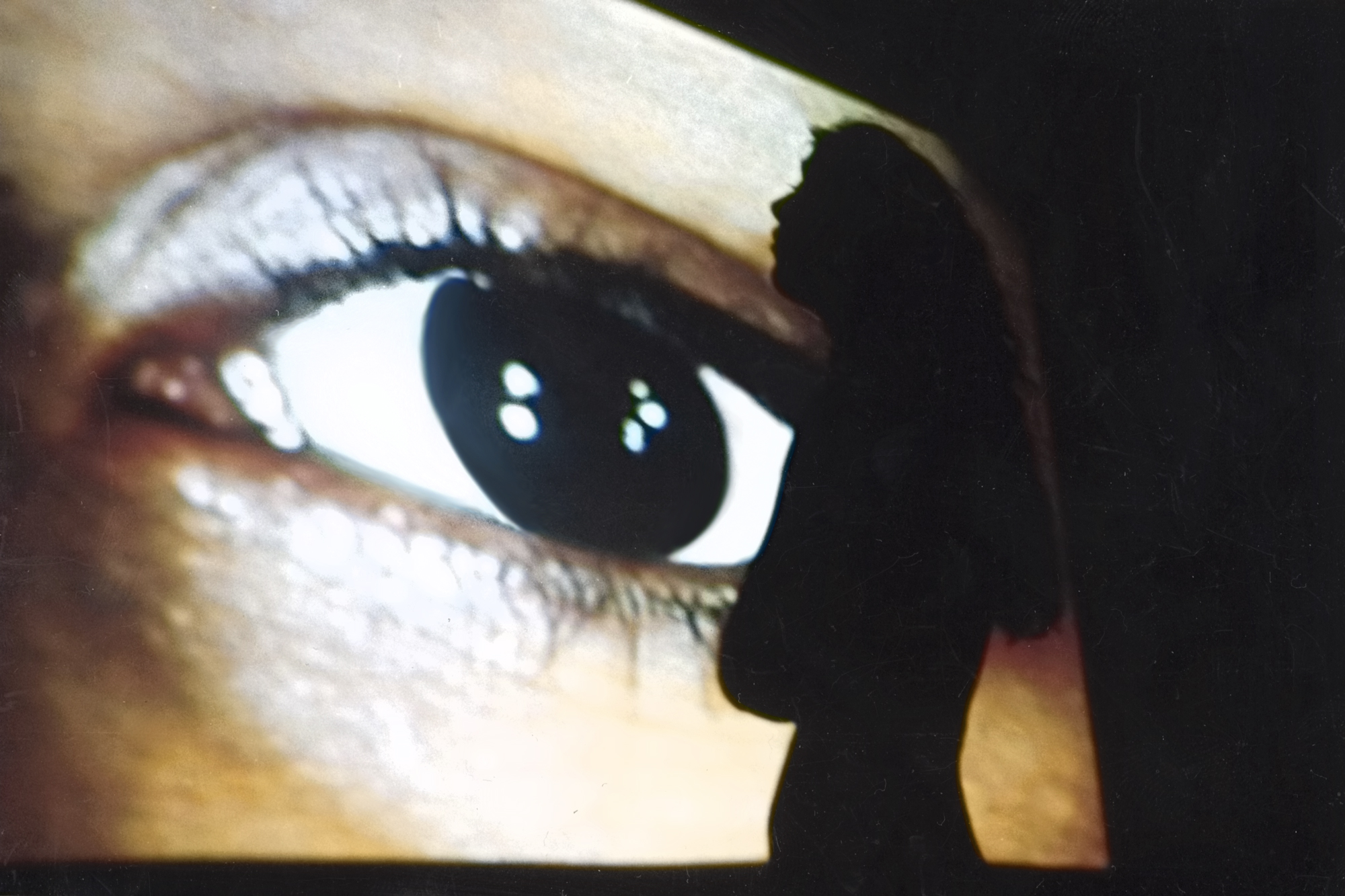
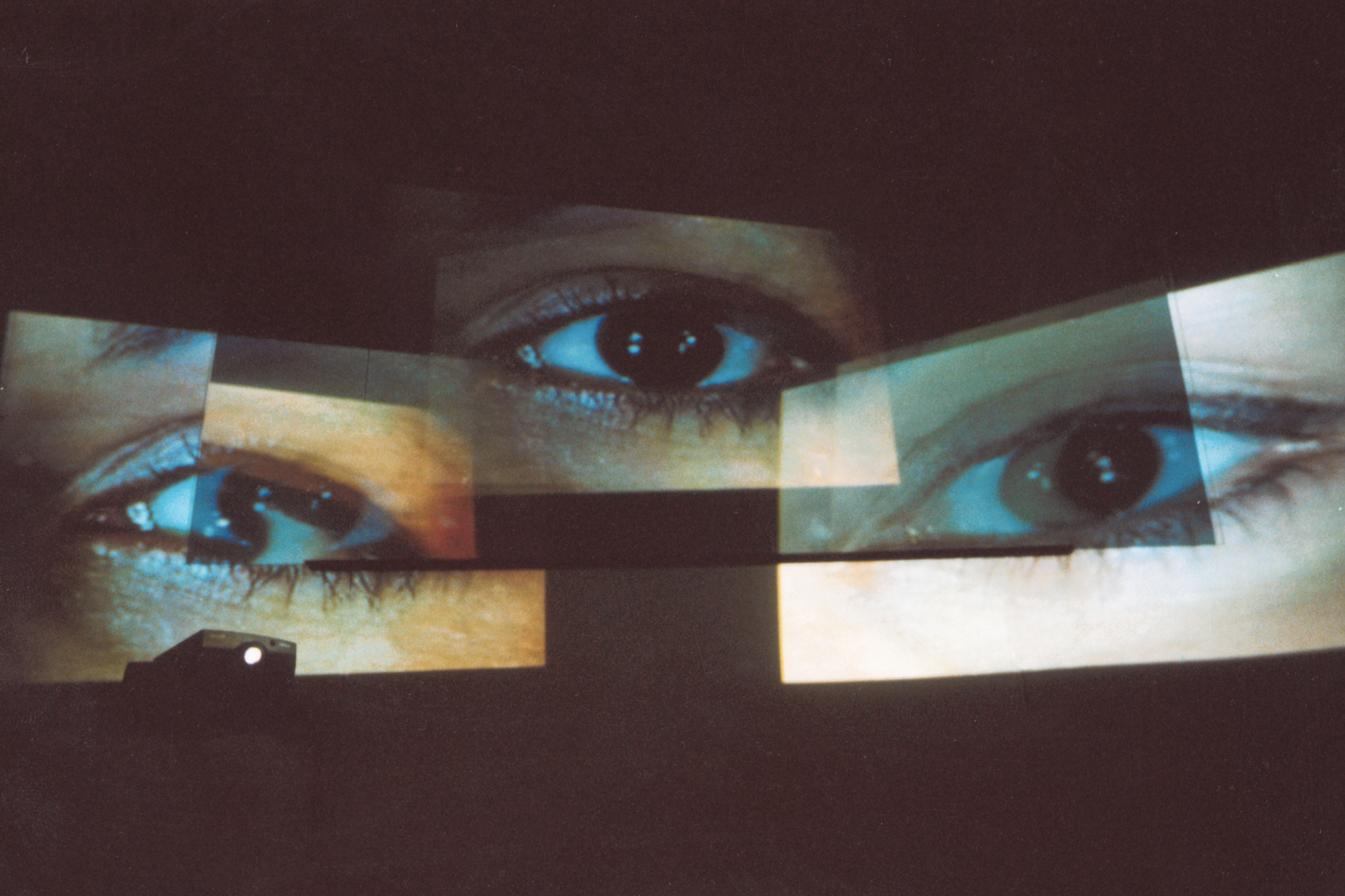
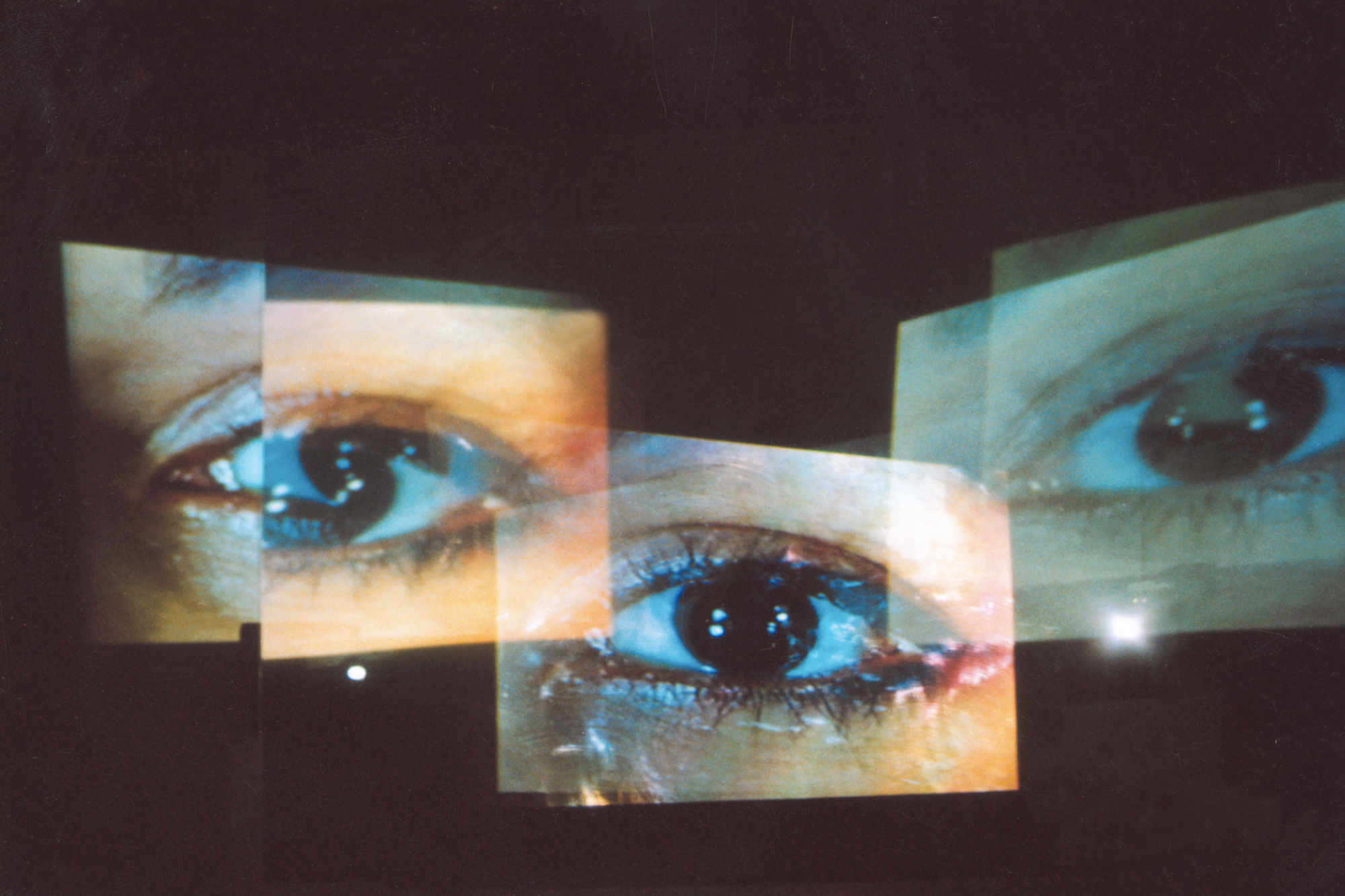
Her subject—absence, and therefore presence (a presence elsewhere)—addresses the way we interact with our environment. Whereas form, scale, and spatial display once mattered to her, here she leaves them neutral. The artist focuses instead on the differences in the nature of space—its content, its dynamics, its energy. The work is subtly interactive: each time a viewer passes in front of the video projector, they cast a shadow; each time they stand before the reflective surface, they project their own image—without necessarily understanding why their shadow appears where it does. Much like when we change environments without fully knowing the rules.
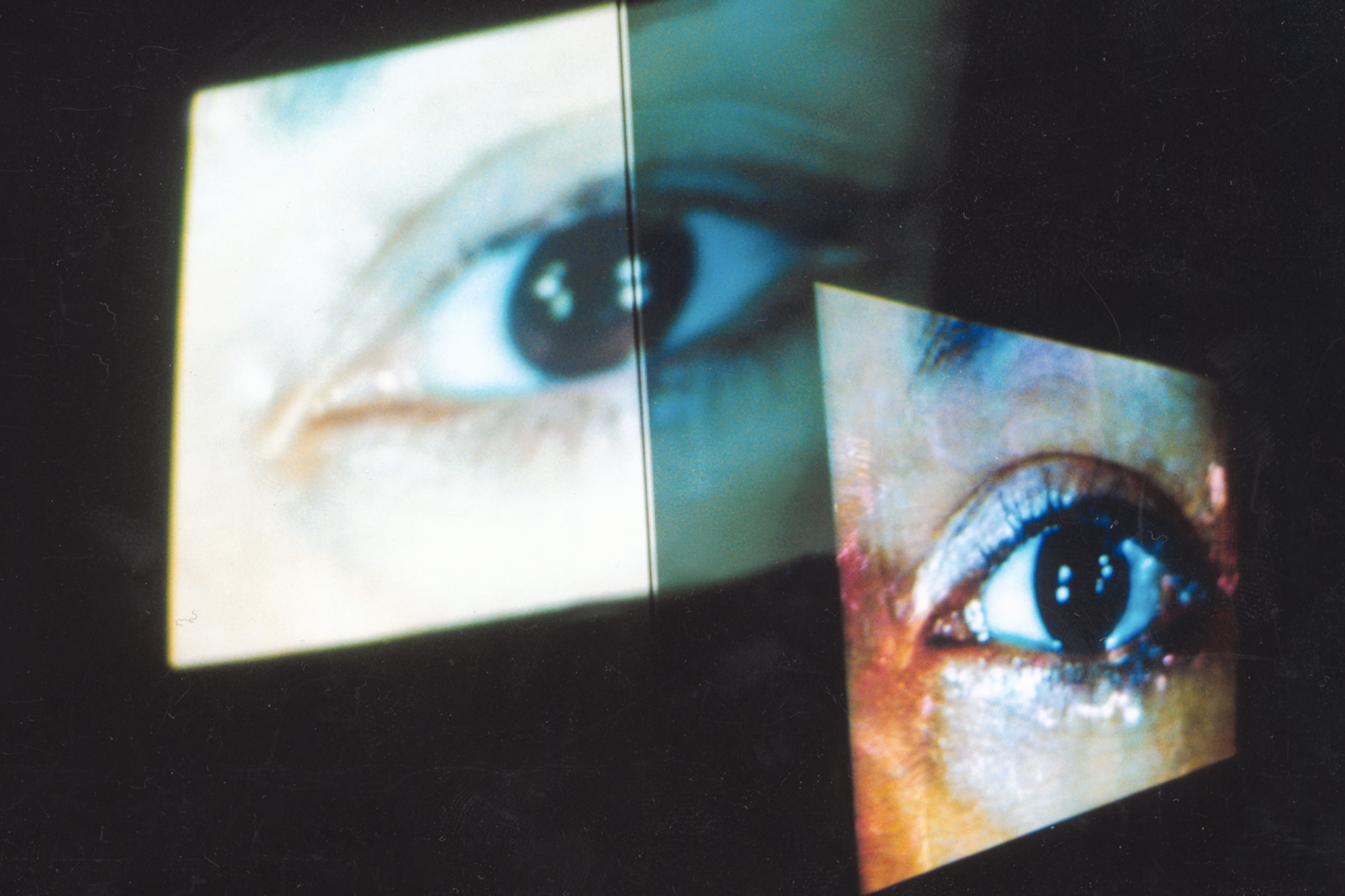
Vesna uses video projections of two eyes, the left and the right, blinking. The projections are arranged symmetrically within the space, positioned centrally so as to prevent the viewer from escaping their own gaze. The viewer is observed by the work while observing themselves; they thus find themselves at the center of the installation and become its subject.
Through these plays of reflection, the viewer’s gaze polarizes the work: depending on the nature of their gaze, they experience something pleasant or unpleasant, they are present or absent. It is a subtle, invisible interaction.